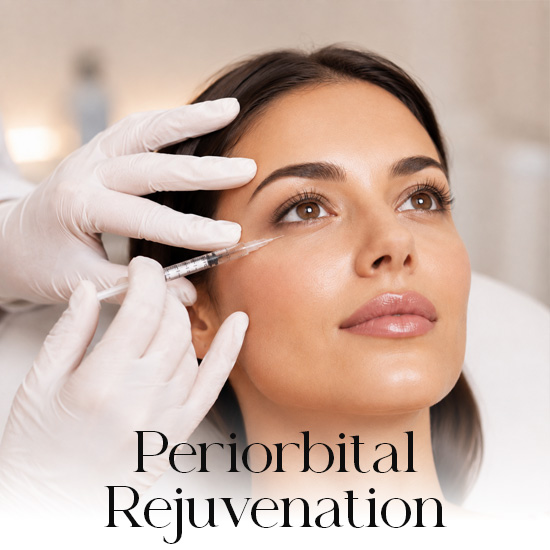
Periorbital Rejuvenation
Periorbital Rejuvenation
The periorbital region is often one of the first areas to demonstrate changes related to aging, volume loss, repetitive muscle activity, sun exposure, and genetic anatomy. Tear-trough hollowing, dark circles, eyelid bags, crow’s-feet, thin crepey skin, and eyelid laxity may occur together, but they are not the same condition and should not be treated with a single universal procedure.
An individualized treatment plan requires assessment of eyelid skin, brow position, facial-muscle activity, tear-trough anatomy, midface volume, orbital-fat prominence, eyelid support, malar edema, lymphatic drainage, and the underlying cause of pigmentation. The objective is not to overfill or excessively brighten the area, but to create a natural, rested appearance that remains balanced with the rest of the face.
Non-surgical treatments may improve fine lines, limited hollowing, skin quality, and selected causes of dark circles. However, in patients with significant excess skin, prominent orbital-fat herniation, or structural eyelid laxity, lower blepharoplasty remains the most effective corrective option. Injectable treatments cannot reproduce the structural changes achieved with surgery.
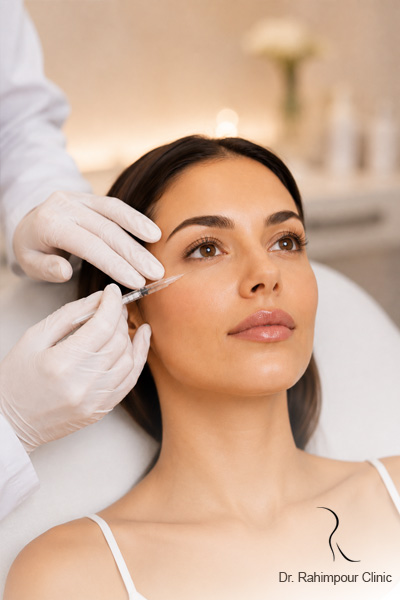
Common Periorbital Concerns
Tear-Trough Hollowin
Tear-trough hollowing may result from skeletal anatomy, midface volume loss, ligamentous attachments, thin skin, or the shadow created at the eyelid–cheek junction. In appropriately selected patients, a conservative amount of hyaluronic-acid filler may soften this transition and reduce a tired appearance.
Published meta-analysis has reported high satisfaction and a generally low overall complication rate for selected tear-trough treatment with HA. However, edema, bruising, contour irregularity, blue discoloration, and vascular complications remain possible.
Patients with prominent eyelid bags, festoons, malar edema, very thin skin, or chronic periorbital swelling are often less suitable for HA treatment because hydrophilic filler may worsen puffiness.
Under-Eye Bags
True under-eye bags commonly result from orbital-fat protrusion, weakening of the orbital septum, and age-related tissue changes. Skin boosters, mesogels, and fillers do not remove this fat. In mild cases, carefully treating adjacent hollowing may reduce shadowing, but prominent fat herniation or excess skin is generally treated more effectively with lower blepharoplasty.
Filler may make bags or malar swelling more noticeable in unsuitable patients, making careful evaluation essential.
Dark Circles
• Periorbital dark circles may be related to:
• Increased pigmentation or genetic skin tone
• Thin skin with visible underlying vessels
• Shadowing from tear-trough hollowing
• Allergy, inflammation, or chronic rubbing
• Aging and reduced skin quality
• A combination of several factors
Shadow-related darkness may improve after conservative volume correction. Pigment-related darkness may respond to skincare, sun protection, selected chemical peels, or laser treatment. Vascular darkness and very thin skin can be more difficult to correct. No single injectable or mesogel reliably treats every form of dark circle.
Crow’s-Feet
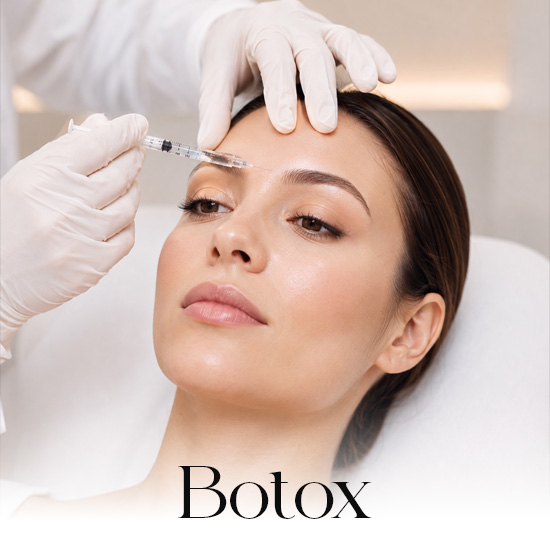
Crow’s-feet are primarily produced by activity of the orbicularis oculi muscle. Botulinum toxin is commonly used to soften dynamic lines while preserving natural smiling and facial expression.
When lines remain visible at rest, complementary treatments such as fractional laser, chemical peeling, RF microneedling, or skin boosters may be considered for the skin-quality component.
Thin, Dry or Crepey Skin
Patients whose primary concern is dryness, very fine lines, or reduced skin quality may be considered for skin boosters, mesogels, polynucleotides, PRP, fractional laser, or selected energy-based treatments.
Injectable hydrators are intended to improve hydration and superficial texture. They do not create substantial lifting, remove eyelid bags, or correct deep structural hollowing. Hydrophilic HA products may worsen swelling in patients predisposed to edema.
Excess Skin and Eyelid Laxity
Non-surgical treatments generally provide limited correction of significant excess skin, eyelid laxity, or fat herniation. Upper or lower blepharoplasty may remove excess skin, reposition or reduce fat, and correct selected structural eyelid changes.
Periorbital Treatment Options
Botulinum Toxin
May be considered for:
• Crow’s-feet
• Dynamic periorbital lines
• A subtle lateral brow elevation in selected patients
It does not directly correct hollowing, fat bags, or true pigmentary dark circles.
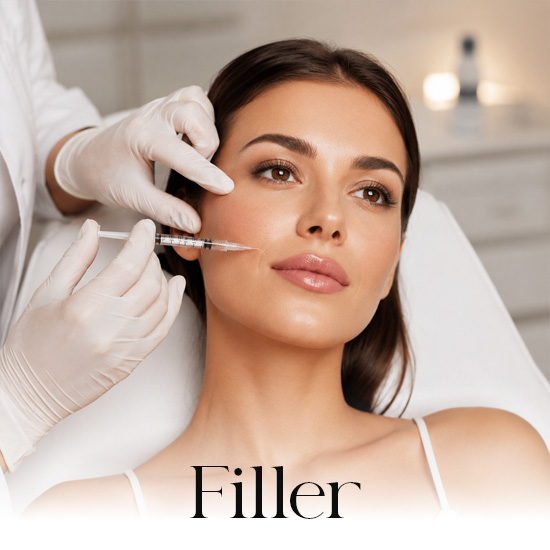
Hyaluronic Acid Filler
May be considered for:
• Limited tear-trough hollowing in an appropriate patient
• Loss of volume at the eyelid–cheek junction
• Selected midface volume deficiency contributing to under-eye shadow
Periorbital filler is an advanced, anatomy-dependent procedure. Accidental intravascular injection, although uncommon, may cause skin necrosis, stroke, or blindness. Any visual change following treatment is a medical emergency.
Skin Boosters and Mesogels
May be considered for:
• Superficial dehydration
• Very fine lines
• Mild crepey texture
• Limited reduction in skin radiance
They are not designed to provide structural volume or eliminate orbital-fat bags. In thin skin or edema-prone patients, inappropriate injection may cause visible papules, irregularity, or persistent swelling.
Polynucleotides and PDRN
These products are used in some protocols to improve thin skin, hydration, and superficial lines. Early evidence is promising, but treatment protocols and long-term evidence are not standardized across all products. They should not be presented as stem-cell or exosome therapy.
PRP
PRP is prepared from the patient’s own blood and may be considered for limited improvement in skin quality, fine lines, or selected dark-circle concerns. Results are gradual and variable.
Laser Resurfacing
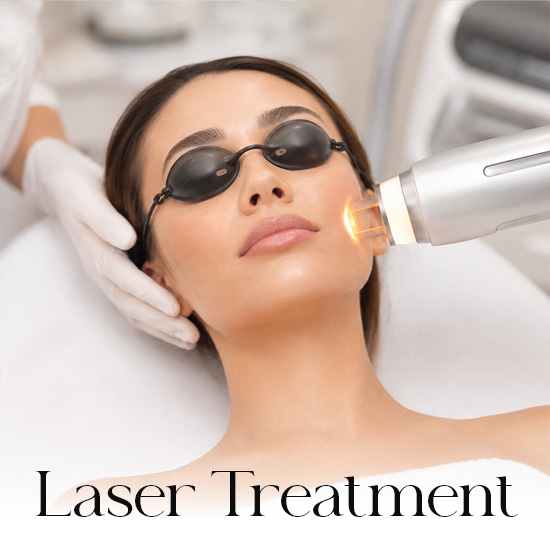
Fractional CO₂, Er:YAG, and selected non-ablative lasers may improve fine lines, photodamage, skin texture, and selected pigmentation. Periorbital treatment requires appropriate eye protection, conservative settings, and assessment of eyelid support.
Chemical Peeling
Selected superficial peels may improve pigmentation, texture, and very fine lines. The eyelid skin is sensitive, and uncontrolled use of strong acids can cause burns, pigment alteration, and scarring.
RF and RF Microneedling
These treatments may provide limited improvement in skin firmness and fine lines. Treatment depth and energy must be selected carefully because excessive thermal exposure may cause burns, pigmentary change, unwanted fat loss, or tissue injury.
Blepharoplasty
May be considered for:
• Significant excess eyelid skin
• Prominent orbital-fat bags
• Structural under-eye bags
• Selected forms of eyelid laxity
Surgery can provide more substantial and longer-lasting structural correction than non-surgical treatment but involves surgical recovery and risk.
Procedures Essentials
Session Duration
Usually 20–60 minutes, depending on the selected treatment
Anesthesia
Injectables: commonly topical or local anesthesia; laser or surgery may require more extensive anesthesia or sedation
Recovery Timeline
Botox: minimal; filler/skin booster: several days of possible swelling or bruising; laser: several days to weeks depending on intensity
Aesthetic Results
Immediate or gradual depending on treatment; final assessment may require two weeks to several months
Longevity
Botox commonly lasts several months; HA filler and skin boosters are temporary; surgical results are generally longer-lasting
Repeat Interval
Individualized according to treatment type, response, and recurrence of the concern
Clinical Considerations
Underlying diagnosis, orbital anatomy, eyelid support, fat pads, skin thickness, vascular anatomy, lymphatic drainage, and previous surgery or injections
Number of Sessions
Botox and filler often involve one initial session; skin boosters and lasers commonly require a series; surgery is generally a single procedure
Mesogel and Skin-Booster Aftercare
• Avoid unnecessary touching, rubbing, massage, or pressure during the initial hours.
• Avoid sleeping directly on the treated area and consider slight head elevation during the first night.
• Avoid strenuous exercise, excessive sweating, saunas, hot tubs, and excessive heat during early recovery.
• Use only gentle indirect cooling if advised; do not apply firm pressure.
• Avoid facial massage, gua sha, facial rollers, and facial treatments until cleared.
• Resume makeup only after injection sites have closed.
• Temporarily avoid retinoids, AHA/BHA products, scrubs, and irritating skincare.
• Use broad-spectrum sunscreen and physical sun protection.
• Do not discontinue aspirin, NSAIDs, anticoagulants, or prescribed medications without consulting the prescribing physician.
• Mild swelling or bruising may persist for several days.
• Periorbital swelling may be more noticeable in the morning.
• Do not squeeze or massage skin-booster or mesogel papules unless specifically instructed.
• Do not judge filler results until swelling has fully settled.
• Attend follow-up for assessment of symmetry, edema, eyelid movement, and outcome.
Warning Signs
Seek immediate medical attention for:
• Reduced, blurred, or lost vision
• Double vision, ocular pain, or impaired eye movement
• Sudden eyelid drooping
• Severe headache, nausea, or neurological symptoms
• Severe or progressively increasing injection-site pain
• Blanching, purple discoloration, or a reticular skin pattern
• Cool skin or delayed capillary refill
• Blistering, ulceration, or darkening of the skin
• Severe, one-sided, or increasing swelling
• Spreading redness, warmth, discharge, or fever
• A painful mass or inflammatory nodule
• Lip or tongue swelling, urticaria, wheezing, or breathing difficulty
Contraindications & Precautions
Principal Contraindications:
• Active eyelid, facial, or periorbital infection
• Active conjunctivitis or ocular infection
• Active herpes infection within the treatment area
• Open wounds or severe skin inflammation
• Known allergy to the injectable product or formulation components
• Lidocaine allergy when a lidocaine-containing product is used
• Severe or uncontrolled coagulation disorder
• An uncontrolled medical condition that makes elective treatment unsafe
• Use of a product with unknown origin, storage, or sterility
• Any product- or device-specific contraindication
Conditions Requiring Additional Caution
• Pregnancy or breastfeeding
• Previous malar edema or chronic periorbital swelling
• Prominent eyelid bags or festoons
• Very thin skin
• Previous Tyndall effect or prolonged edema after filler
• Previous eyelid or orbital surgery
• Severe dry eye
• Ectropion, entropion, or eyelid laxity
• Eyelid-muscle weakness or facial palsy
• Thyroid eye disease
• Active autoimmune or connective-tissue disease
• Immunosuppression
• Uncontrolled diabetes
• Bleeding disorders or anticoagulant therapy
• Previous granuloma or delayed inflammatory reaction
• Permanent filler, silicone, or unknown injectable material
• Recent filler, thread lift, fat grafting, or surgery
• Facial vascular disease or impaired lymphatic drainage
• Melasma or previous PIH when laser or peeling is considered
• Keloid formation or impaired healing
-Active retinal, optic-nerve, or unexplained visual disorder
• Unrealistic expectations or the assumption that one treatment will correct every periorbital concern
Potential Adverse Effects
Common and usually temporary effects include swelling, bruising, tenderness, erythema, early asymmetry, and small injection papules. HA treatment may cause periorbital edema, malar edema, Tyndall effect, lumps, and contour irregularity. Recent reviews identify edema, bruising, irregularity, and blue discoloration among recognized complications of periorbital HA injections.
Less common complications include infection, nodules, delayed inflammatory reactions, granuloma, filler migration, and late-onset edema. Periorbital edema may occasionally appear weeks, months, or longer after HA treatment.
Rare but serious complications include vascular occlusion, skin necrosis, nerve injury, and visual impairment up to blindness. Treatment should be performed by a physician with detailed knowledge of orbital and facial vascular anatomy and the ability to recognize and manage complications immediately.
Important: Periorbital rejuvenation is not a single procedure. Hollowing, pigmentation, bags, dynamic lines, and excess skin require separate diagnosis. Inappropriate treatment—particularly HA injection in a patient with eyelid bags or impaired lymphatic drainage—may worsen the appearance.
Explore Our Non-Surgical Treatments
Advanced minimally inasive solutions to refresh, restore and refine your natural beauty.

Patient Testimonials
Refined Results. Confident Experiences.
“From consultation to treatment, the experience was handled with professionalism and care. The final result felt elegant and beautifully balanced.

“I valued the clarity, precision, and thoughtful approach throughout the process. The outcome was subtle yet noticeable in the best possible way.”
“The treatment was efficient, comfortable, and tailored to my concerns. I especially appreciated the natural-looking result and the clinic’s refined attention to detail.”
Answers to Common Questions
The most suitable treatment depends on your facial anatomy, skin condition, aesthetic goals, and medical history. During consultation, the treatment plan is tailored to your needs to ensure natural-looking and medically appropriate results.
Most non-surgical treatments involve minimal discomfort. Depending on the procedure, topical numbing, local anesthesia, or comfort measures may be used to improve the treatment experience.
Downtime varies depending on the treatment. Some procedures allow an immediate return to daily activities, while others may involve temporary redness, swelling, bruising, or sensitivity for a short period.
Some treatments provide visible improvement shortly after the session, while others develop more gradually over several days or weeks. The timing depends on the treatment type and the body’s natural response.
The longevity of results varies based on the procedure, treatment area, skin quality, and individual metabolism. Some treatments may last several months, while others may require periodic maintenance for optimal results.