
Laser Treatments
With Emphasis on Fractional CO₂ Laser
Laser Treatments
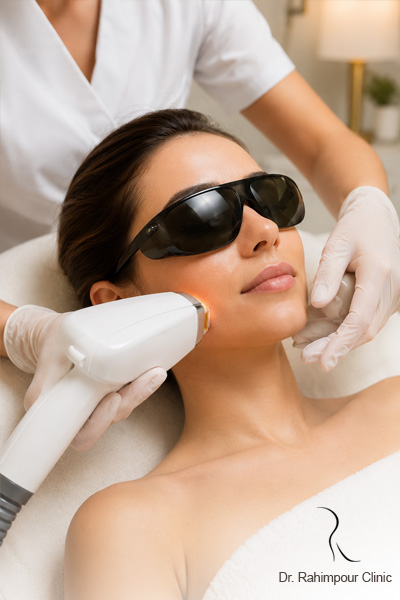
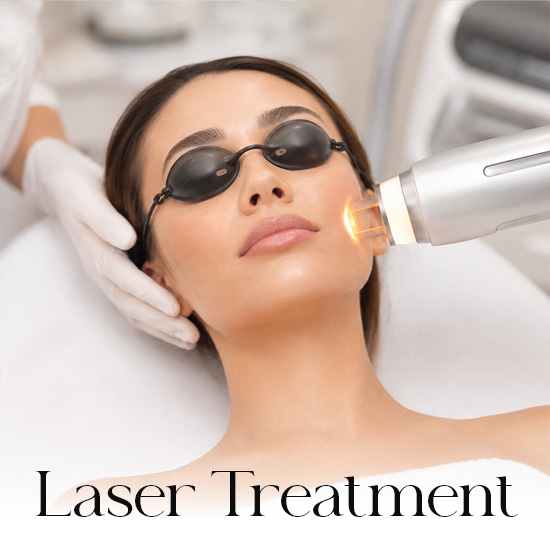
Aesthetic skin lasers include a broad range of light-based technologies used to improve skin texture, fine lines and wrinkles, photodamage, selected pigmentary concerns, and certain types of scars. Each laser has a specific wavelength, tissue target, penetration depth, and recovery profile. Treatment should therefore be selected according to the indication, skin type, anatomical area, history of pigment alteration or scarring, and the amount of recovery the patient can reasonably accept.
Resurfacing lasers are broadly categorized as ablative or non-ablative. Ablative lasers, including CO₂ and Er, remove controlled portions of the epidermis and superficial dermis, producing a stronger wound-healing and collagen-remodeling response. They can provide more substantial improvement in wrinkles, photodamage, irregular texture, and atrophic scars, but generally involve longer recovery. Non-ablative lasers largely preserve the epidermal surface while heating deeper tissue; they usually involve less downtime, but improvement is more gradual and multiple sessions are commonly required.
Fractional CO₂ Laser
Fractional CO₂ is an ablative resurfacing laser with a wavelength of approximately 10,600 nm. It delivers energy through microscopic treatment columns while leaving intervening areas of untreated skin. This fractional pattern allows faster re-epithelialization than traditional fully ablative CO₂ resurfacing. Controlled vaporization and thermal injury stimulate epidermal renewal, collagen contraction, and subsequent collagen remodeling.
Fractional CO₂ may be used to improve fine-to-moderate wrinkles, photodamage, rough texture, visible pores, selected superficial pigmentation, atrophic acne scars, and certain surgical or traumatic scars. Laser treatment can make a scar less noticeable, but it does not completely remove the scar. The degree of improvement depends on scar type and depth, treatment intensity, number of sessions, skin type, and the patient’s individual healing response.
Compared with non-ablative treatment, fractional CO₂ generally offers a stronger resurfacing effect and may produce more visible improvement in texture and wrinkles with fewer sessions. This benefit is accompanied by greater redness, swelling, peeling, wound care requirements, and downtime. Patients with darker skin tones or a history of post-inflammatory hyperpigmentation require particularly careful selection of treatment parameters and strict photoprotection.
Other Laser Categories
Er Laser: An ablative laser with strong absorption in water, frequently used for superficial-to-moderate resurfacing. It generally causes less surrounding thermal injury than CO₂ and may offer faster healing, although the degree of tissue contraction may be lower in some settings.
Non-Ablative Fractional Lasers: These devices create microscopic thermal zones within the dermis while largely preserving the epidermis. They may improve mild scars, texture, fine lines, and selected pigmentary concerns with less downtime but usually require a series of treatments.
Vascular Lasers: Devices such as pulsed dye lasers target hemoglobin and are used for redness, telangiectasia, rosacea, and selected red scars. They are not substitutes for CO₂ resurfacing.
Pigment-Targeting Lasers: Selected Q-switched and picosecond technologies target pigment. Patient and parameter selection is essential because inappropriate treatment may cause hyperpigmentation or hypopigmentation.
Procedure Essentials
Session Duration
Usually 30–90 minutes, depending on treatment area and intensity
Anesthesia
Commonly topical anesthesia; deeper treatment may require local anesthesia, nerve blocks, or sedation
Recovery Timeline
Minimal downtime; mild swelling or bruising may persist for several days
Aesthetic Results
Fractional CO₂: commonly 5–10 days for initial healing; erythema may persist for several weeks or longer
Longevity
Long-lasting but not permanent; aging and further sun damage continue
Repeat Interval
Individualized; further treatment is generally considered only after complete healing and remodeling
Clinical Considerations
Skin type, PIH risk, scar depth, anatomical area, energy, density, number of passes, and wound care
Number of Sessions
One or several sessions depending on treatment intensity and indication
Fractional CO₂ Laser Aftercare
• Follow Individual Instructions: The treating physician’s protocol takes priority because aftercare varies with treatment depth and intensity.
• Hand Hygiene: Wash your hands thoroughly before touching the treated skin.
• Cleansing: Cleanse the treated area gently at the intervals recommended by your physician.
• Moist Wound Healing: Apply the prescribed ointment or dressing until re-epithelialization to prevent excessive dryness and thick crust formation.
• Do Not Pick: Do not scratch, peel, or remove crusting skin, as this may increase the risk of infection, scarring, and pigmentary change.
• Cooling: Use only clean, gentle cooling measures as instructed. Do not apply ice directly to the skin.
• Head Elevation: Sleep with the head elevated during the first several nights to reduce facial and periorbital swelling.
• Expected Reactions: Redness, swelling, warmth, burning, and superficial oozing may occur during the initial recovery period.
• Peeling: Bronzing, dryness, flaking, and pinpoint dark crusts may develop as part of the healing process.
• Pain: Severe or progressively increasing pain is not expected and should be reported.
• Makeup: Do not apply makeup until the skin surface has fully closed and your physician has approved it.
• Sun Protection: Once the epidermis has healed, use broad-spectrum sunscreen consistently.
• Sun Avoidance: Avoid direct sun exposure, tanning, and solariums; strict photoprotection should continue for several months.
• Active Skincare: Avoid retinoids, AHA/BHA products, acidic vitamin C, benzoyl peroxide, scrubs, fragranced products, and alcohol-based skincare until cleared.
• Exercise: Avoid strenuous exercise and excessive sweating until the initial inflammation has resolved.
• Excessive Heat: Avoid saunas, hot tubs, very hot showers, and excessive environmental heat during healing.
• Swimming: Do not use swimming pools, hot tubs, lakes, or the sea until the skin has completely re-epithelialized.
• Hair Removal: Postpone waxing, threading, harsh shaving, and depilatory products until complete recovery.
• Medications: Take prescribed antiviral, antibiotic, analgesic, or other medication exactly as directed.
• Herpes Prophylaxis: Patients prescribed antiviral prophylaxis should complete the recommended course.
• Smoking: Avoid smoking and nicotine exposure, which may impair wound healing.
• Other Procedures: Delay fillers, Botox, chemical peels, microneedling, RF, and other laser procedures until healing is complete.
• Follow-up: Attend scheduled follow-up visits for evaluation of re-epithelialization, infection, pigmentary change, and healing.
• Final Result: Do not judge the outcome during the first days; erythema and collagen remodeling may continue for weeks to months.
Warning Signs
Contact the treating physician promptly for:
• Severe, unusual, or progressively increasing pain
• Redness or swelling that worsens again after an initial period of improvement
• Purulent drainage, unpleasant odor, fever, or chills
• Grouped blisters, localized burning, or lesions suggestive of herpes reactivation
• Thick yellow crusting or an area that is failing to heal
• White, gray, or black discoloration of the skin
• Persistent bleeding
• Severe periorbital swelling or visual disturbance
• Allergic symptoms, swelling of the lips or tongue, or breathing difficulty
• Progressive pigmentation, depression, or raised scarring
Recognized risks of medical laser treatment include pain, infection, incomplete correction, scarring, burns, and changes in skin pigmentation.
Contraindications & Precautions Principal Contraindications
• Active bacterial, viral, or fungal infection in the treatment area
• Active Herpes simplex infection
• Open wounds, ulceration, or severe active dermatitis
• Severe or uncontrolled impairment of wound healing
• An uncontrolled medical condition that makes elective laser treatment unsafe
• Inability to comply with wound care and strict sun protection
• Any device- or wavelength-specific contraindication stated by the manufacturer
Conditions Requiring Additional Caution or Medical Assessment
• Pregnancy: Elective cosmetic resurfacing is generally postponed during pregnancy.
• Breastfeeding: Treatment should be considered individually, particularly when anesthesia, sedation, antivirals, or antibiotics may be required.
• History of herpes labialis or recurrent cold sores; antiviral prophylaxis may be indicated.
• Darker skin phototypes, melasma, or a history of post-inflammatory hyperpigmentation
• Active tanning, sunburn, or significant recent sun exposure
• Previous post-procedural hypopigmentation
• History of keloid formation, hypertrophic scarring, or poor wound healing
• Current or recent isotretinoin use; timing should be individualized according to the laser type, treatment intensity, and patient factors.
• Uncontrolled diabetes
• Immunosuppression or medication that impairs healing
• Active autoimmune or connective-tissue disease
• Bleeding disorders or anticoagulant/antiplatelet therapy
• Previous radiation therapy to the treatment area
• Recent surgery, deep chemical peeling, dermabrasion, or aggressive energy-based treatment in the same area
• Fillers, threads, implants, or unknown injectable material within the treatment area
• Long-term steroid therapy or other medication that may impair repair
• Active inflammatory acne or recurrent skin infection
• Ectropion or significant eyelid laxity when treating the periorbital region
• Severe dry eye or recent ocular surgery when treating near the eyelids
• Untreated body dysmorphic disorder, significant psychological instability, or unrealistic expectations
• Inability to avoid sun exposure or comply with detailed postoperative care
• A history of poor wound healing, hypertrophic scarring or keloids, easy tanning, and post-inflammatory pigmentation should directly influence patient selection and treatment intensity.
Potential Adverse Effects
Expected and usually temporary effects include redness, swelling, burning, skin sensitivity, dryness, peeling, acneiform eruptions, and milia. Less common but clinically important complications include bacterial, fungal, or herpes infection, post-inflammatory hyperpigmentation, hypopigmentation, prolonged erythema, contact dermatitis, delayed healing, demarcation lines, and scarring. Following ablative CO₂ treatment, hypopigmentation may occasionally be delayed and become apparent long after treatment.
Important: Fractional CO₂ resurfacing is a technique-dependent medical procedure. Inappropriate patient selection, excessive energy or density, repeated passes, unnecessary overlap, and inadequate postoperative wound care can increase the risk of burns, infection, pigmentary alteration, and scarring. Treatment should be individualized following careful evaluation of skin type, medical history, anatomy, and realistic patient goals.
Patient Testimonials
Refined Results. Confident Experiences.
“From consultation to treatment, the experience was handled with professionalism and care. The final result felt elegant and beautifully balanced.
“I valued the clarity, precision, and thoughtful approach throughout the process. The outcome was subtle yet noticeable in the best possible way.”
“The treatment was efficient, comfortable, and tailored to my concerns. I especially appreciated the natural-looking result and the clinic’s refined attention to detail.”
Answers to Common Questions
The most suitable treatment depends on your facial anatomy, skin condition, aesthetic goals, and medical history. During consultation, the treatment plan is tailored to your needs to ensure natural-looking and medically appropriate results.
Most non-surgical treatments involve minimal discomfort. Depending on the procedure, topical numbing, local anesthesia, or comfort measures may be used to improve the treatment experience.
Downtime varies depending on the treatment. Some procedures allow an immediate return to daily activities, while others may involve temporary redness, swelling, bruising, or sensitivity for a short period.
Some treatments provide visible improvement shortly after the session, while others develop more gradually over several days or weeks. The timing depends on the treatment type and the body’s natural response.
The longevity of results varies based on the procedure, treatment area, skin quality, and individual metabolism. Some treatments may last several months, while others may require periodic maintenance for optimal results.