


Botox
Botulinum Toxin Treatment
Botox
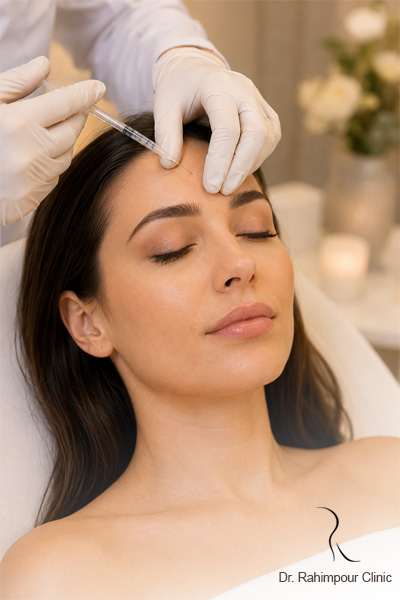
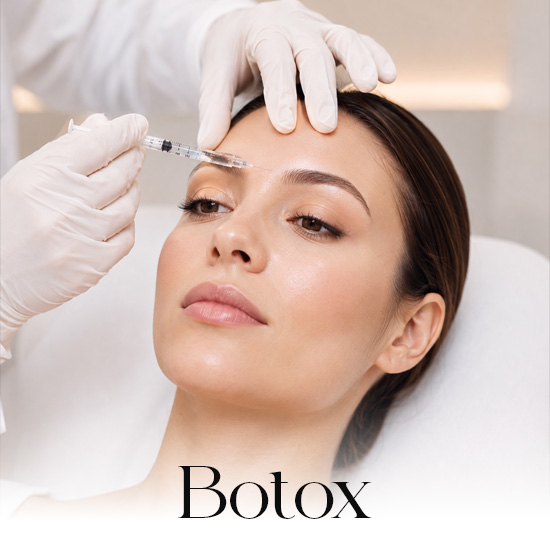
Botulinum toxin is one of the most widely performed non-surgical treatments for reducing dynamic facial lines caused by repetitive muscle movement. By temporarily relaxing selected facial muscles, it can soften frown lines between the eyebrows, horizontal forehead lines, and crow’s feet around the eyes. When precisely administered, the goal is a refreshed, natural-looking appearance while preserving facial expression and individuality.
Beyond wrinkle reduction, botulinum toxin can be used for a variety of aesthetic indications depending on individual facial anatomy. These may include softening bunny lines, improving a gummy smile, creating a subtle brow lift, reducing chin dimpling, addressing downward pull at the corners of the mouth, and improving selected neck lines. Treatment of the masseter muscles may also help soften a prominent lower face and create a more refined jawline in appropriately selected patients.
Treatment is typically performed within minutes using very fine needles and usually requires little or no anesthesia. Most patients can return to their normal daily activities immediately. The effects develop gradually over the following days, with the full result generally assessed at approximately two weeks. Results commonly last around three to four months, although longevity varies according to the treatment area, dosage, muscle strength, metabolism, and individual characteristics.
Each treatment plan should be tailored to the patient’s facial anatomy, muscle strength, pattern of movement, and aesthetic goals. Precise selection of injection points and dosage is essential for achieving a balanced and natural result. The aim is not to eliminate facial movement, but to selectively reduce excessive muscular activity while maintaining natural expression and facial harmony.
Procedure Essentials
Session Duration
Approximately 15–30 minutes
Anesthesia
Usually none; topical anesthesia if required
Recovery Timeline
No significant downtime; immediate return to most daily activities
Aesthetic Results
Gradual onset within several days; full effect usually around 10–14 days
Longevity
Typically around 3–4 months; varies by patient and treatment area
Repeat Interval
Usually every 3–4 months, depending on muscle activity and individual needs
Clinical Considerations
Individual facial anatomy, muscle dynamics, precise injection sites and dosage
Number of Sessions
Usually one treatment session; maintenance treatments as needed
Botox Aftercare
• Touching and Massage: Avoid rubbing, massaging, or applying significant pressure to the treated areas for at least 24 hours.
• Daily Activities: Most normal daily activities can usually be resumed immediately after treatment.
• Exercise: Avoid strenuous exercise and activities that cause significant increases in blood flow or sweating on the day of treatment. Resume normal exercise according to your physician’s advice.
• Excessive Heat: Avoid saunas, hot tubs, very hot showers, and other sources of excessive heat on the day of treatment.
• Facial Treatments: Facial massage, facials, device-based treatments, and procedures that place significant pressure on the treated areas should be postponed according to your physician’s recommendations.
• Makeup and Skincare: Makeup and skincare products should be applied gently without excessive rubbing or pressure over the injection sites.
• Redness and Swelling: Mild redness, tenderness, or swelling at the injection sites may occur and is usually temporary.
• Bruising: Small areas of bruising may occasionally develop and typically resolve spontaneously within several days.
• Early Asymmetry: Muscles on each side of the face may respond at slightly different rates. Final symmetry should therefore be assessed after the treatment has taken full effect.
• Medications: Do not discontinue or modify prescribed medications, including aspirin, NSAIDs, anticoagulants, or antiplatelet medications, without consulting the prescribing physician.
• Follow-up: When appropriate, a follow-up assessment at approximately two weeks can evaluate muscle response, symmetry, and the need for any refinement.
Warning Signs: Seek prompt medical attention for significant eyelid drooping, visual disturbances, unusual or generalized muscle weakness, difficulty speaking or swallowing, breathing difficulties, or symptoms of a serious allergic reaction.
Contraindications & Precautions
Botulinum toxin treatment should not be performed in patients with:
• Known hypersensitivity to botulinum toxin or any component of the specific formulation being used
• Active infection at the proposed injection site
Conditions Requiring Additional Caution or Medical Assessment
Treatment may need to be postponed, modified, or avoided following medical assessment in patients with:
• Pregnancy: Because safety data for elective cosmetic use during pregnancy are limited, treatment is generally avoided.
• Breastfeeding: Available safety data are limited; treatment should be considered individually following medical consultation.
• Neuromuscular junction or neuromuscular disorders, including Myasthenia Gravis, Lambert–Eaton Syndrome, and certain Motor Neuropathies
• Significant weakness or atrophy of the muscles intended for treatment
• Pre-existing swallowing or respiratory difficulties, particularly when treating areas that could potentially affect these functions
• Use of medications that may interfere with neuromuscular transmission, including certain aminoglycoside antibiotics and muscle relaxants
• Concurrent or recent treatment with another botulinum toxin product; the formulation, dose, and timing of previous treatments should be disclosed.
• Bleeding disorders or treatment with anticoagulant or antiplatelet medications that may increase the risk of injection-site bruising or bleeding
• Active inflammation, wounds, or significant skin disease in the proposed treatment area
• Previous facial surgery or significant anatomical alterations that may affect injection planning
• Pre-existing eyelid ptosis, facial muscle weakness, or significant facial asymmetry, which should be documented and considered before treatment
• A history of significant adverse reactions to previous botulinum toxin treatment
• Acute illness or an uncontrolled medical condition that makes an elective aesthetic procedure inappropriate.
Important: The presence of one of these conditions does not necessarily represent a permanent contraindication. A complete medical history, medication review, assessment of facial anatomy, and evaluation of previous treatments are essential to determine whether botulinum toxin treatment is appropriate and safe for each patient.
Patient Testimonials
Refined Results. Confident Experiences.
“From consultation to treatment, the experience was handled with professionalism and care. The final result felt elegant and beautifully balanced.
“I valued the clarity, precision, and thoughtful approach throughout the process. The outcome was subtle yet noticeable in the best possible way.”
“The treatment was efficient, comfortable, and tailored to my concerns. I especially appreciated the natural-looking result and the clinic’s refined attention to detail.”
Answers to Common Questions
The most suitable treatment depends on your facial anatomy, skin condition, aesthetic goals, and medical history. During consultation, the treatment plan is tailored to your needs to ensure natural-looking and medically appropriate results.
Most non-surgical treatments involve minimal discomfort. Depending on the procedure, topical numbing, local anesthesia, or comfort measures may be used to improve the treatment experience.
Downtime varies depending on the treatment. Some procedures allow an immediate return to daily activities, while others may involve temporary redness, swelling, bruising, or sensitivity for a short period.
Some treatments provide visible improvement shortly after the session, while others develop more gradually over several days or weeks. The timing depends on the treatment type and the body’s natural response.
The longevity of results varies based on the procedure, treatment area, skin quality, and individual metabolism. Some treatments may last several months, while others may require periodic maintenance for optimal results.