




RF & Microneedling

Skin Tightening & Rejuvenation

RF & Microneedling

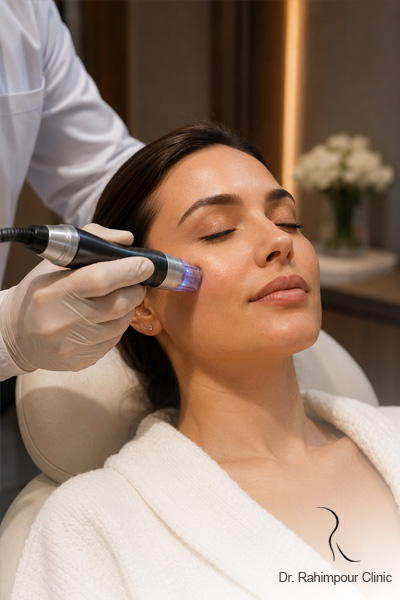
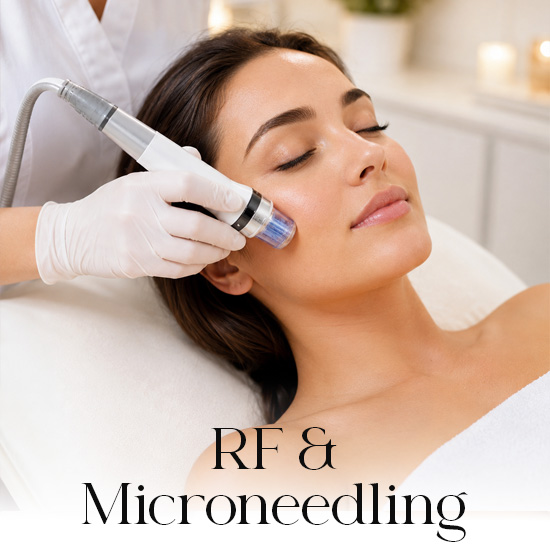
Radiofrequency (RF) is an energy-based treatment used to improve skin quality, firmness, and mild-to-moderate skin laxity. RF energy generates controlled heat within targeted tissue layers. This thermal effect can produce some contraction of existing collagen and stimulate subsequent collagen remodeling and production, resulting in gradual improvement in skin firmness and appearance.
RF may be used on various areas of the face and body, including the face, jawline, neck, and selected body areas. Depending on the device and technology, treatment goals may include improvement of skin laxity, fine lines, wrinkles, skin texture, and, with selected devices, acne scars or limited contouring. Results typically develop gradually as collagen remodeling continues over the following weeks and months.

RF & Microneedling

Types of Radiofrequency Treatment

Non-Invasive RF: RF energy is delivered through the skin without needles or penetration. Controlled tissue heating is used primarily to improve mild-to-moderate skin laxity and firmness, generally with minimal downtime.
Fractional RF: RF energy is delivered in a controlled fractional pattern to stimulate tissue repair and collagen remodeling. Treatment depth, intensity, and recovery vary according to the technology used.
RF Microneedling: Microneedles penetrate the skin and deliver RF energy at controlled tissue depths. This allows targeted treatment of wrinkles, skin texture, selected acne scars, and skin laxity. Because RF microneedling is a medical procedure, appropriate patient selection and precise control of treatment depth and energy are particularly important for safety.
The appropriate RF technology should be selected according to skin thickness and quality, degree of laxity, treatment area, previous procedures, and aesthetic goals. RF is not a substitute for surgical lifting in patients with significant skin laxity; however, appropriately selected patients may achieve gradual improvement in skin quality and firmness without surgical incisions and with limited recovery.

Procedure Essentials

Session Duration

Typically 30–60 minutes, depending on device and treatment area

Anesthesia

Non-invasive RF: usually none / RF Microneedling: typically topical anesthesia

Recovery Timeline

Non-invasive RF: minimal or no downtime / RF Microneedling: usually several days of redness, swelling, or sensitivity

Aesthetic Results

Gradual; generally develops over several weeks and continues with collagen remodeling

Longevity

Variable; depends on technology, treatment intensity, age, skin quality, and ongoing aging

Repeat Interval

Device- and protocol-dependent; maintenance treatment may be recommended

Clinical Considerations

RF technology, treatment depth and energy, skin thickness, regional anatomy, and avoidance of excessive tissue heating

Number of Sessions

Variable; one or multiple sessions may be recommended depending on the device and indication

RF Aftercare

• Redness & Swelling: Temporary redness, warmth, tenderness, or mild swelling may occur following treatment.
• RF Microneedling: Redness, dryness, tightness, swelling, pinpoint bleeding, or mild crusting may persist for several days.
• Cooling: Gentle cooling may be used when recommended. Avoid applying ice directly to the skin.
• Cleansing: Cleanse the treated skin gently according to medical instructions and avoid vigorous rubbing.
• Moisturizing: A gentle moisturizer may be used for dryness or tightness as recommended.
• Sun Protection: Regular broad-spectrum sunscreen and avoidance of excessive direct sun exposure are particularly important following fractional RF and RF microneedling.
• Excessive Heat: Avoid saunas, hot tubs, very hot showers, and excessive heat during the early recovery period.
• Exercise: Strenuous exercise and excessive sweating should be limited during the early post-treatment period according to medical advice.
• Makeup: Restrictions are usually minimal following non-invasive RF.
• Following RF microneedling, makeup should be resumed according to skin recovery and your physician’s instructions.
• Active Skincare: Retinoids, AHA/BHA products, glycolic acid, alcohol-containing products, and other potentially irritating ingredients should be avoided until initial skin recovery and resumed as advised.
• Do Not Pick: Avoid scratching, scrubbing, or removing crusts or peeling skin.
• Other Procedures: Laser treatment, chemical peels, waxing, facials, and other active skin procedures should be postponed until adequate healing has occurred.
• Results: RF results should not be judged immediately. A significant component of the improvement develops over subsequent weeks and months as collagen remodeling occurs.
• Further Sessions: Additional sessions are scheduled according to the device, treatment protocol, and individual response.

Warning Signs

Severe or increasing pain, persistent or marked redness or swelling, blistering, burns, discharge, signs of infection, significant pigmentary changes, abnormal numbness, or weakness should be reported promptly.
Following RF microneedling, burns, scarring, unexpected subcutaneous fat or volume loss, tissue deformity, or symptoms suggestive of nerve injury are not expected treatment effects and require medical assessment.

Contraindications & Precautions

• Pacemakers, implantable cardioverter-defibrillators, or other active electronic implants when contraindicated for the specific RF device being used
• Active infection within the proposed treatment area
• Open wounds or significant disruption of the skin barrier within the treatment area
• Any device-specific contraindication stated by the manufacturer

Conditions Requiring Additional Caution or Medical Assessment

• Pregnancy: Elective aesthetic RF treatment is generally postponed during pregnancy.
• Breastfeeding: Treatment should be considered individually according to the device, treatment area, and clinical circumstances.
• Metal implants within or near the treatment area; compatibility with the specific RF technology should be confirmed before treatment.
• Tattoos containing metallic particles within the treatment area when contraindicated for the device.
• Active dermatitis, eczema, psoriasis, or other significant inflammatory skin disease
• Active bacterial, viral, or fungal skin infection
• Active Herpes Simplex; prophylaxis may be considered in selected patients with recurrent herpes.
• Impaired wound healing or a history of keloid/hypertrophic scarring, particularly for RF microneedling
• Active autoimmune or connective-tissue disorders
• Immunosuppression or medications that may impair healing
• Uncontrolled diabetes
• Bleeding disorders or anticoagulant therapy, particularly for RF microneedling
• Current or recent isotretinoin use; timing should be individualized according to the device, treatment intensity, and clinical assessment.
• History of post-inflammatory hyperpigmentation or hypopigmentation; treatment parameters should be selected carefully.
• Active tanning, sunburn, or anticipated intense sun exposure around the treatment period
• Previous facial surgery, fillers, thread lifts, or other implants within the treatment area; the type and timing of previous treatment should be reviewed.
• Very thin skin or limited subcutaneous fat where deeper thermal treatment may be undesirable
• Acute illness, active malignancy, or uncontrolled medical conditions that make an elective aesthetic procedure inappropriate
• Important: RF safety depends on the specific device, treatment depth, energy settings, duration of exposure, tissue temperature, and regional anatomy. Excessive thermal exposure or inappropriate treatment depth may increase the risk of burns, pigmentary changes, scarring, unwanted fat loss, or nerve injury.

Explore Our Non-Surgical Treatments

Advanced minimally inasive solutions to refresh, restore and refine your natural beauty.

Patient Testimonials

Refined Results. Confident Experiences.

“From consultation to treatment, the experience was handled with professionalism and care. The final result felt elegant and beautifully balanced.

Patient 1
“I valued the clarity, precision, and thoughtful approach throughout the process. The outcome was subtle yet noticeable in the best possible way.”
Patient 2
“The treatment was efficient, comfortable, and tailored to my concerns. I especially appreciated the natural-looking result and the clinic’s refined attention to detail.”

Patient 3

Answers to Common Questions

The most suitable treatment depends on your facial anatomy, skin condition, aesthetic goals, and medical history. During consultation, the treatment plan is tailored to your needs to ensure natural-looking and medically appropriate results.

Most non-surgical treatments involve minimal discomfort. Depending on the procedure, topical numbing, local anesthesia, or comfort measures may be used to improve the treatment experience.

Downtime varies depending on the treatment. Some procedures allow an immediate return to daily activities, while others may involve temporary redness, swelling, bruising, or sensitivity for a short period.

Some treatments provide visible improvement shortly after the session, while others develop more gradually over several days or weeks. The timing depends on the treatment type and the body’s natural response.

The longevity of results varies based on the procedure, treatment area, skin quality, and individual metabolism. Some treatments may last several months, while others may require periodic maintenance for optimal results.

sample