



Hyperhidrosis

Hyperhidrosis

Hyperhidrosis is excessive sweating beyond the amount normally required for temperature regulation. It may interfere with work, clothing, social interaction, physical contact, and quality of life. Commonly affected areas include the underarms, palms, soles, face, and scalp.
Primary focal hyperhidrosis usually begins earlier in life, affects localized and often symmetrical areas, and occurs without an identifiable underlying disease. Secondary hyperhidrosis may result from medication, endocrine disorders, infection, menopause, neurological disease, metabolic abnormalities, or other systemic conditions. New-onset, generalized, nocturnal, or otherwise unusual sweating requires appropriate medical evaluation.
Treatment is selected according to the underlying diagnosis, location, severity, functional impact, and response to previous therapies. Options may include aluminum-based antiperspirants, topical medication, iontophoresis, oral medication, botulinum toxin, selected axillary energy-based procedures, and surgery in highly selected cases.
Botulinum Toxin for Hyperhidrosis
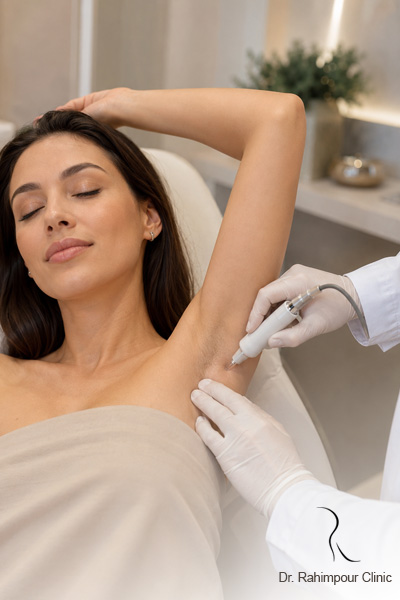
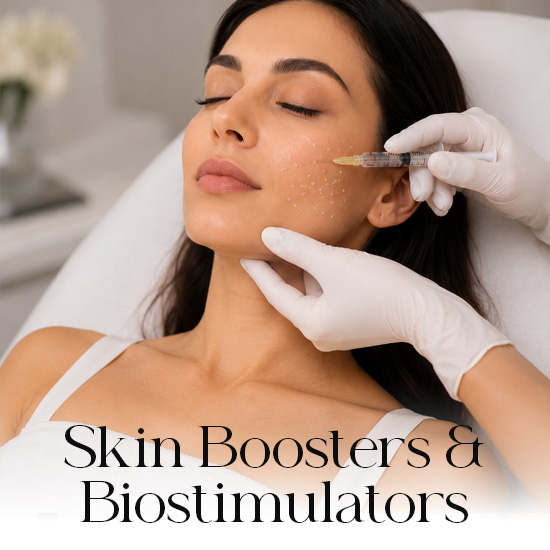
Botulinum toxin temporarily reduces sweating by inhibiting acetylcholine release from the nerves that stimulate eccrine sweat glands. Multiple small intradermal injections are placed throughout the affected area.
OnabotulinumtoxinA is FDA-approved for severe primary axillary hyperhidrosis that is inadequately managed with topical agents. Treatment of the palms, soles, face, scalp, and other areas may be off-label depending on the product and jurisdiction.
Improvement commonly begins within several days. Many patients notice a meaningful reduction within approximately 7–10 days. Duration varies; AAD reports approximately 3–10 months for the underarms or hands, 3–6 months for the feet, and around 4.5 months for facial treatment, although individual response varies.
Palmar and plantar injections may be more uncomfortable than axillary treatment and can require stronger local anesthesia or nerve blocks. Temporary weakness of the small hand muscles may occur after palmar treatment and should be discussed with patients whose occupation requires grip strength or fine manual control.


Hyperhidrosis

Potential Treatment Areas

• Underarms
• Palms
• Soles
• Forehead and scalp in selected patients
• Craniofacial hyperhidrosis
• Selected localized body areas following medical assessment

Other Treatment Options

• Prescription-strength antiperspirants
• Iontophoresis for hands and feet
• Topical anticholinergic medication
• Oral anticholinergic medication
• Axillary microwave or other energy-based treatment
• Endoscopic thoracic sympathectomy in highly selected severe cases

Procedure Essentials

Session Duration

Usually 20–45 minutes

Anesthesia

Underarms: topical or none; palms/soles may require local anesthesia or nerve block

Recovery Timeline

Minimal downtime

Aesthetic Results

Gradual onset over several days; best assessed after 1–2 weeks

Longevity

Variable; commonly several months

Repeat Interval

When clinically significant sweating returns

Clinical Considerations

Primary versus secondary hyperhidrosis, location, dose, anatomy, and functional requirements

Number of Sessions

One treatment session followed by maintenance as required

Hyperhidrosis Aftercare

• Avoid rubbing, massaging, or pressing firmly over injection sites.
• Keep the treatment area clean during the initial hours.
• Normal light activity can usually be resumed immediately.
• Avoid strenuous exercise and heavy sweating on the day of treatment.
• Avoid saunas, hot tubs, and excessive heat during early recovery.
• Avoid applying irritating antiperspirant to open or inflamed injection sites.
• Delay shaving, waxing, or abrasive treatment until tenderness settles.
• Following palmar treatment, use caution with fine motor tasks and grip-dependent work.
• Following plantar treatment, wear comfortable footwear and minimize pressure.
• Do not stop prescribed medication without medical advice.
• Do not judge the result immediately; sweat reduction develops gradually.
• Attend follow-up if untreated areas remain active after the full effect has developed.

Warning Signs

Seek urgent medical care for:
• Generalized or marked muscle weakness
• Difficulty swallowing, speaking, or breathing
• Significant visual disturbance or eyelid drooping
• Marked or persistent hand weakness
• Severe or increasing pain
• Spreading redness, warmth, discharge, or fever
• Urticaria, facial swelling, or breathing difficulty
• Severe palpitations, fainting, or unusual weakness
• Symptoms of heat intolerance or heat illness

Contraindications & Precautions

Principal Contraindications

• Known hypersensitivity to botulinum toxin or formulation components
• Active infection at the injection site
• Product-specific contraindications

Conditions Requiring Additional Caution

• Pregnancy or breastfeeding
• Neuromuscular-junction disorders
• Significant weakness in the proposed treatment area
• Swallowing or respiratory disorders
• Aminoglycosides, muscle relaxants, or medication affecting neuromuscular transmission
• Recent administration of another botulinum-toxin product
• Bleeding disorders or anticoagulant therapy
• Uncontrolled acute illness
• Occupations requiring precise hand strength
• Previous significant botulinum-toxin reaction
• Pediatric treatment outside established product labeling

Potential Adverse Effects

Common effects include injection discomfort, bruising, tenderness, headache, mild itching, muscle soreness, and localized weakness.
Other possible effects include:
• Temporary hand weakness after palmar treatment
• Significant discomfort during palm or sole injections
• Patchy or incomplete sweat reduction
• Excessive dryness
• Infection
• Allergic reaction
• Unintended weakness of nearby muscles
• Rare distant spread of toxin effect

Important: Botulinum toxin provides temporary control rather than a permanent cure. Treatment should be performed using an authentic, appropriately stored product in a medical setting.

Explore Our Non-Surgical Treatments

Advanced minimally inasive solutions to refresh, restore and refine your natural beauty.

Patient Testimonials

Refined Results. Confident Experiences.

“From consultation to treatment, the experience was handled with professionalism and care. The final result felt elegant and beautifully balanced.
Patient 1
“I valued the clarity, precision, and thoughtful approach throughout the process. The outcome was subtle yet noticeable in the best possible way.”
Patient 2
“The treatment was efficient, comfortable, and tailored to my concerns. I especially appreciated the natural-looking result and the clinic’s refined attention to detail.”
Patient 3

Answers to Common Questions

The most suitable treatment depends on your facial anatomy, skin condition, aesthetic goals, and medical history. During consultation, the treatment plan is tailored to your needs to ensure natural-looking and medically appropriate results.

Most non-surgical treatments involve minimal discomfort. Depending on the procedure, topical numbing, local anesthesia, or comfort measures may be used to improve the treatment experience.

Downtime varies depending on the treatment. Some procedures allow an immediate return to daily activities, while others may involve temporary redness, swelling, bruising, or sensitivity for a short period.

Some treatments provide visible improvement shortly after the session, while others develop more gradually over several days or weeks. The timing depends on the treatment type and the body’s natural response.

The longevity of results varies based on the procedure, treatment area, skin quality, and individual metabolism. Some treatments may last several months, while others may require periodic maintenance for optimal results.

sample