Chemical Peeling
Chemical Peeling
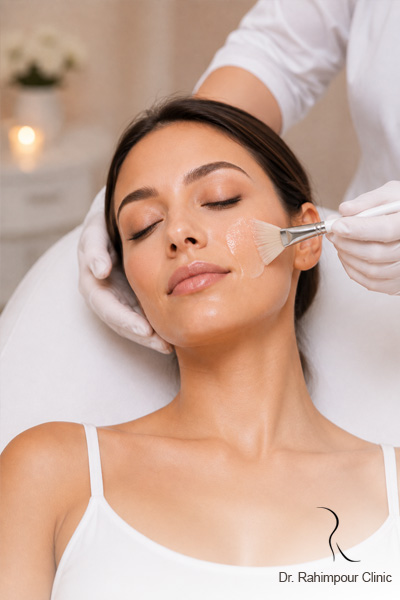
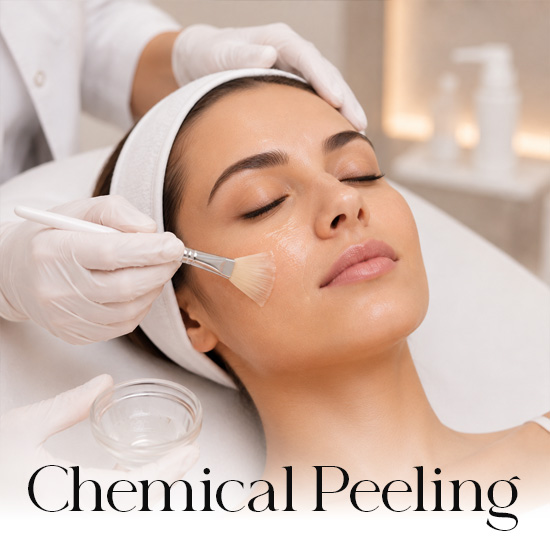
A chemical peel is a controlled skin-resurfacing procedure in which a selected chemical solution is applied for a defined period to create a predictable injury at a specific depth within the epidermis or dermis. As damaged superficial layers separate and the healing process begins, the new skin may appear smoother, brighter, and more even in tone. Treatment depth is influenced by the peeling agent, concentration, pH, number of layers, contact time, skin preparation, anatomical site, and individual tissue response.
Chemical peeling may be used to improve dull or rough skin, fine lines, photodamage, selected superficial pigmentation, post-inflammatory hyperpigmentation, carefully selected melasma, comedonal acne, and some superficial acne scars. It does not completely remove scars and generally has limited ability to improve deep wrinkles, advanced skin laxity, or deep scars. Patient and peel selection should be based on the indication, skin type, pigmentary risk, and acceptable recovery period.
Types of Chemical Peels by Depth
Superficial Peel: Primarily affects the epidermis. Common agents include glycolic acid, lactic acid, salicylic acid, mandelic acid, and selected combination solutions such as Jessner’s solution. Superficial peels may improve dullness, oiliness, comedonal acne, mild textural irregularity, and superficial pigmentation. Downtime is usually limited, but a series of treatments is commonly required.
Medium-Depth Peel: Extends into the papillary dermis and is often performed using trichloroacetic acid or selected combination techniques. Medium-depth peels may provide greater improvement in moderate photodamage, dyspigmentation, fine wrinkles, and selected superficial scars, but involve more redness, swelling, crusting, and recovery. Risks of post-inflammatory hyperpigmentation, infection, delayed healing, and scarring are also higher than with superficial peels.
Deep Peel: Extends into the reticular dermis and may involve phenol-based formulations or other deep-peeling protocols. Deep peeling is substantially more invasive, is generally limited to the face and highly selected patients, and requires medical monitoring, structured wound care, and prolonged recovery. A deep phenol peel is not a routine office facial or a simple substitute for fractional CO₂ resurfacing.
Common Peeling Agents
Alpha Hydroxy Acids: Agents such as glycolic, lactic, and mandelic acid are commonly used for superficial exfoliation, dullness, mild textural irregularity, and selected pigmentary concerns.
Beta Hydroxy Acids: Salicylic acid is lipophilic and is frequently selected for oily skin, comedonal acne, and follicular obstruction.
Trichloroacetic Acid: Depending on concentration and technique, TCA may be used for superficial or medium-depth peeling. Treatment depth is not determined by concentration alone; skin preparation, number of passes, application technique, and clinical end points are also important.
Jessner’s Solution: A combination solution that may be used as a superficial peel or to increase penetration of another agent in a combination protocol.
Phenol: A deep-peeling agent capable of producing more substantial correction in severe photodamage, but associated with prolonged recovery, pigmentary changes, scarring, and potential systemic toxicity.
The objective is not to produce the most intense visible peeling possible. A deeper peel is not automatically a better treatment and can substantially increase the risks of post-inflammatory hyperpigmentation, hypopigmentation, infection, delayed healing, and scarring. The least aggressive depth capable of addressing the clinical concern is generally preferred.
Procedure Essentials
Session Duration
Usually 20–45 minutes; deep peels may require longer
Anesthesia
Superficial peel: usually none; medium/deep peel: analgesia, local or regional anesthesia, or sedation may be required
Recovery Timeline
Superficial: approximately 1–7 days; medium: about 7–14 days; deep: several weeks with potentially prolonged redness
Aesthetic Results
Gradual, becoming apparent after exfoliation and completion of skin healing
Longevity
Depends on peel depth, indication, skincare, sun exposure, and ongoing aging
Repeat Interval
Superficial: often every 2–4 weeks; medium-depth: only after complete healing and at substantially longer intervals
Clinical Considerations
Skin type, PIH history, peeling agent, concentration, pH, number of layers, clinical end point, and postoperative care
Number of Sessions
Superficial peels often require 3–6 sessions; medium or deep peels may require fewer treatments
Chemical Peel Aftercare
• Follow Individual Instructions: The treating physician’s aftercare protocol takes priority because care differs according to the peeling agent and depth.
• Do Not Wash Too Early: Cleanse the skin only at the advised time; selected products may be intended to remain on the skin for a defined period.
• Gentle Cleansing: Use lukewarm water, a mild cleanser, and gentle hand movements without scrubbing or cleansing brushes.
• Do Not Pick: Do not scratch, peel, or remove flaking skin or crusts.
• Moisturizer: Use a gentle recommended moisturizer to relieve dryness and tightness.
• Protective Ointment: Medium and deep peels may require an occlusive ointment or dressing to support moist wound healing.
• Cool Compresses: When advised, use a clean, gentle cool compress without pressure. Do not apply ice directly.
• Head Elevation: Following medium or deep peeling, sleeping with the head elevated may help reduce swelling.
• Expected Redness: Redness, warmth, dryness, tightness, and mild stinging can occur during early recovery.
• Peeling Is Not the Goal: The amount of visible flaking does not reliably determine treatment effectiveness.
• Sunscreen: Once the skin has healed sufficiently, use broad-spectrum sunscreen consistently.
• Sun Avoidance: Avoid direct sun, tanning, and solariums. Strict photoprotection is essential to reduce the risk of PIH.
• Makeup: Avoid makeup until the skin surface is adequately healed and medical approval has been given.
• Retinoids: Do not restart tretinoin, retinol, or other retinoids until advised.
• Active Ingredients: Avoid self-directed use of AHA, BHA, acidic vitamin C, benzoyl peroxide, hydroquinone, and other potentially irritating products.
• Irritating Products: Avoid scrubs, alcohol-based toners, fragranced products, and cleansing devices during healing.
• Exercise: Avoid strenuous exercise and excessive sweating while significant inflammation is present.
• Excessive Heat: Avoid saunas, steam rooms, hot tubs, very hot showers, and direct facial steaming.
• Swimming: Avoid pools, hot tubs, lakes, and the sea until the skin barrier has recovered.
• Hair Removal: Postpone waxing, threading, epilation, dermaplaning, and depilatory creams until complete healing.
• Other Procedures: Delay laser, RF, microneedling, facials, dermabrasion, fillers, and Botox until the skin has healed and treatment has been medically approved.
• Medication: Take prescribed antiviral, antibiotic, analgesic, or other medication exactly as directed.
• Herpes Prophylaxis: Complete any prescribed antiviral prophylaxis.
• No Home Acids: Do not apply home peeling acids, neutralizing solutions, or exfoliating remedies to the treated skin.
• Smoking: Avoid or limit smoking and nicotine because they may impair wound healing.
• Follow-up: Medium and deep peels require appropriate follow-up to assess re-epithelialization, infection, pigmentary changes, and healing.
Final Result: Do not judge the result until inflammation, peeling, and skin remodeling have settled.
Warning Signs
Contact the treating physician promptly for:
• Severe or progressively increasing pain
• Intense or persistent burning
• Redness or swelling that worsens after initial improvement
• Extensive blistering, deep ulceration, or abnormal skin separation
• White, gray, purple, or black discoloration
• Purulent drainage, unpleasant odor, fever, or chills
• Thick yellow crusting or an area that is not healing
• Grouped blisters or symptoms suggestive of herpes reactivation
• Severe itching, facial swelling, or allergic symptoms
• Rapidly progressive or severe darkening of the skin
• Patchy lightening or loss of normal skin pigment
• Raised or depressed scarring
• Severe periorbital swelling, ocular pain, or visual disturbance
• Irregular heartbeat, severe dizziness, or unusual weakness following a phenol peel
Contraindications & Precautions
Principal Contraindications
• Active bacterial, viral, or fungal infection within the treatment area
• Active herpes simplex infection
• Open wounds, ulceration, or significant skin-barrier disruption
• Severe active dermatitis, eczema, or inflammation
• Known hypersensitivity to the peeling agent or formulation
• Severe or uncontrolled impairment of wound healing
• An uncontrolled medical condition that makes elective treatment unsafe
• Inability to comply with wound care and strict sun protection
• Any agent- or formulation-specific contraindication
Conditions Requiring Additional Caution or Medical Assessment
• Pregnancy: Elective chemical peeling is generally postponed, particularly when retinoid-containing or extensive salicylic-acid protocols are being considered.
• Breastfeeding: The agent, concentration, surface area, and need for other medications should be evaluated individually.
• Fitzpatrick skin types IV–VI or a history of post-inflammatory hyperpigmentation
• Active or recurrent melasma
• Active tanning, sunburn, or significant recent sun exposure
• Previous treatment-related hypopigmentation
• History of keloid formation, hypertrophic scarring, or poor wound healing
• History of herpes labialis; antiviral prophylaxis may be required.
• Current or recent isotretinoin use; timing should be individualized according to peel depth and skin condition.
• Recent use of tretinoin, retinol, AHA/BHA products, benzoyl peroxide, or other irritants
• Recent waxing, threading, dermaplaning, microdermabrasion, or hair removal
• Recent surgery, laser resurfacing, dermabrasion, or deep peeling in the same area
• Uncontrolled diabetes
• Immunosuppression
• Active autoimmune or connective-tissue disease
• Long-term systemic corticosteroid use
• Bleeding disorders or anticoagulant treatment, particularly for deeper peels
• Previous radiation therapy to the treatment area
• Highly sensitive skin, active rosacea, or significant barrier dysfunction
• Severe inflammatory acne with open or infected lesions
• Photosensitizing medication
• Cardiac, renal, or hepatic disease when phenol peeling is considered
• Arrhythmia or cardiac-conduction abnormalities when phenol peeling is considered
• Unrealistic expectations or concerns such as advanced laxity, deep wrinkles, or deep scars that are unlikely to respond adequately to peeling
Potential Adverse Effects
Common and usually temporary effects include burning, stinging, redness, tightness, dryness, flaking, crusting, and skin sensitivity. More clinically important complications include post-inflammatory hyperpigmentation, hypopigmentation, prolonged erythema, contact dermatitis, acneiform eruptions, milia, bacterial or fungal infection, herpes reactivation, delayed healing, and scarring.
Rare but serious complications of deep peeling may include permanent pigmentary alteration, visible demarcation lines, ectropion, tissue injury, and, with phenol-based peels, cardiac, renal, or hepatic toxicity. Infection, scarring, and temporary or permanent changes in skin color are recognized risks of chemical peeling and generally become more likely as treatment depth increases.
Important: Chemical peeling is both agent- and technique-dependent. Unsupervised use of high-strength acids, mixing products without appropriate chemical knowledge, extending contact time, or attempting to create more frosting can result in chemical burns, deep wounds, infection, and permanent scarring. Medical-grade chemical peels should be performed only under the supervision of an appropriately trained and licensed professional.
Explore Our Non-Surgical Treatments
Advanced minimally inasive solutions to refresh, restore and refine your natural beauty.


Patient Testimonials
Refined Results. Confident Experiences.



Answers to Common Questions
The most suitable treatment depends on your facial anatomy, skin condition, aesthetic goals, and medical history. During consultation, the treatment plan is tailored to your needs to ensure natural-looking and medically appropriate results.
Most non-surgical treatments involve minimal discomfort. Depending on the procedure, topical numbing, local anesthesia, or comfort measures may be used to improve the treatment experience.
Downtime varies depending on the treatment. Some procedures allow an immediate return to daily activities, while others may involve temporary redness, swelling, bruising, or sensitivity for a short period.
Some treatments provide visible improvement shortly after the session, while others develop more gradually over several days or weeks. The timing depends on the treatment type and the body’s natural response.
The longevity of results varies based on the procedure, treatment area, skin quality, and individual metabolism. Some treatments may last several months, while others may require periodic maintenance for optimal results.